Messages across the sea
The pigeon that brought news from Ailsa Craig
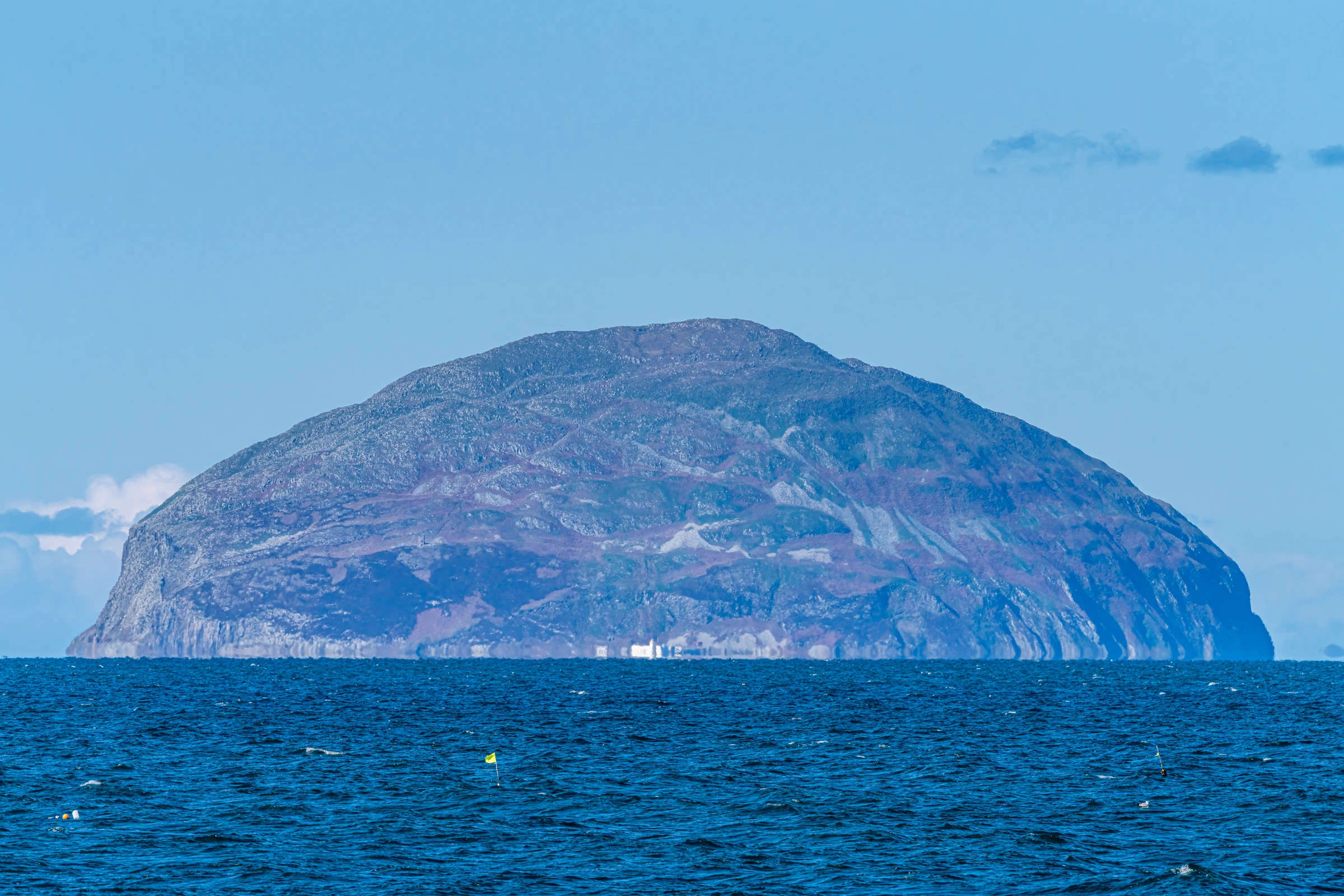
Key dates
- 15 February 1895
Parliament discusses Ailsa’s communication with the mainland.
- January 1909
A beacon summons the lifeboat after quarrymen run short of provisions.
- August 1935
A pigeon brings news that two missing holidaymakers are safe.
- November 1935
Installation of a wireless link with Turnberry nears completion.
In August 1935, two young holidaymakers failed to return to Girvan after hiring a punt and setting out for Ailsa Craig. A search of the shore and river found no sign of them. Their parents spent the night without news. Early the next morning, a pigeon arrived at the mainland loft with a message from the island's lighthouse keepers. Both were safe.[1]
For the lighthouse keepers and quarry workers, getting word ashore was part of living and working on the island. Illness or a shortage of food could require help from the mainland. Sending a message and getting a boat across were separate problems, both affected by the weather.[2][3]
Pigeons carried messages for both groups, using a dovecot at Girvan Green. On the Ordnance Survey map published in 1909, Dovecot is marked immediately west of the Lifeboat House, at the northern end of the Green. The two are separately labelled: the small circular feature beside the lifeboat building is easy to overlook on a map of the town.[3][4]
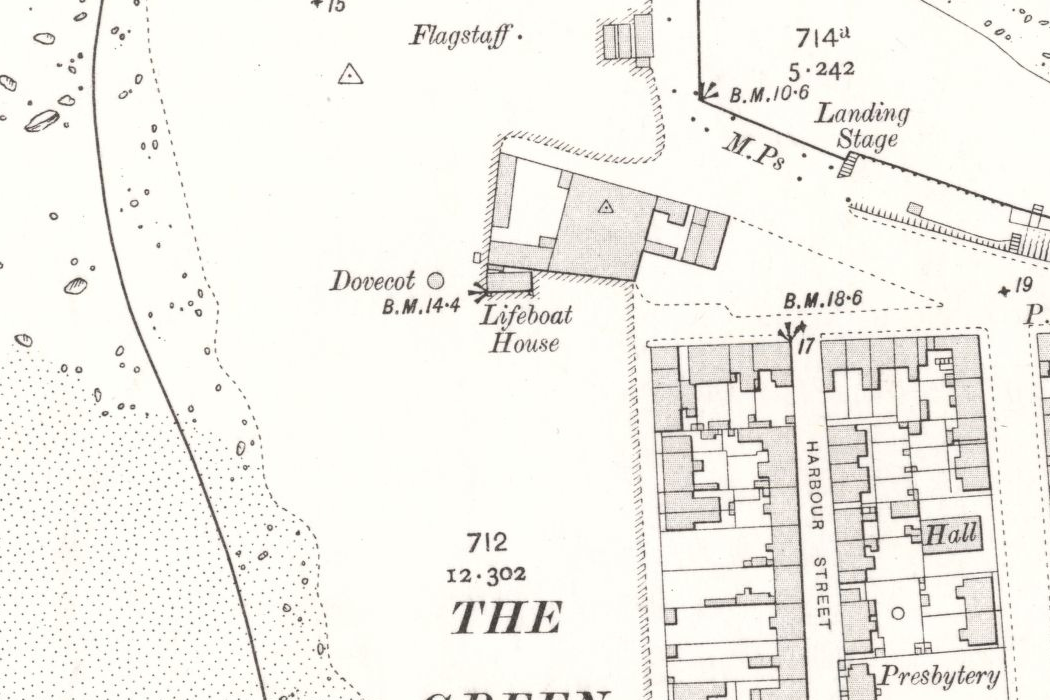
Reproduced with the permission of the National Library of Scotland. Ordnance Survey, Ayrshire LV.4 (1909); cropped/resampled. CC BY 4.0.
Pigeons had already attracted parliamentary attention forty years before the missing holidaymakers' journey. On 15 February 1895, the question of Ailsa's communication with the mainland was raised in the House of Commons. James Bryce reported the lighthouse commissioners' advice that carrier pigeons had been used successfully for lighthouse purposes. Wider arrangements for connecting stations to save life were awaiting a Royal Commission report. The reply offered no immediate replacement for the birds.[5]
There was also a system of fire signals for urgent requests when stormy weather prevented a pigeon message. The number and position of fires distinguished a request for a doctor at the lighthouse from one for the quarry company, or a request for provisions. Someone ashore had to see the signal and understand its meaning.[2]
One use of the medical beacon made the newspapers in January 1909. The Scotsman reported that quarrymen who had run out of provisions lit it against the lighthouse keepers' wishes. Girvan's lifeboat crossed with a volunteer doctor, Dr Nelson, and discovered the shortage of food. With the storm continuing, a tug from Ayr was chartered to take provisions across. The newspaper called the quarrymen's action a ruse. Their signal had summoned help, but it had brought a doctor to men asking for supplies.[2]
The difficulty of getting a visible signal noticed became part of the holidaymakers' experience in 1935. The two were from Glasgow and were staying in Girvan with their parents. They hired their punt on a Sunday afternoon, intending to reach Ailsa. The lighthouse keepers saw them being carried towards Arran and signalled them to make for the island.[1]
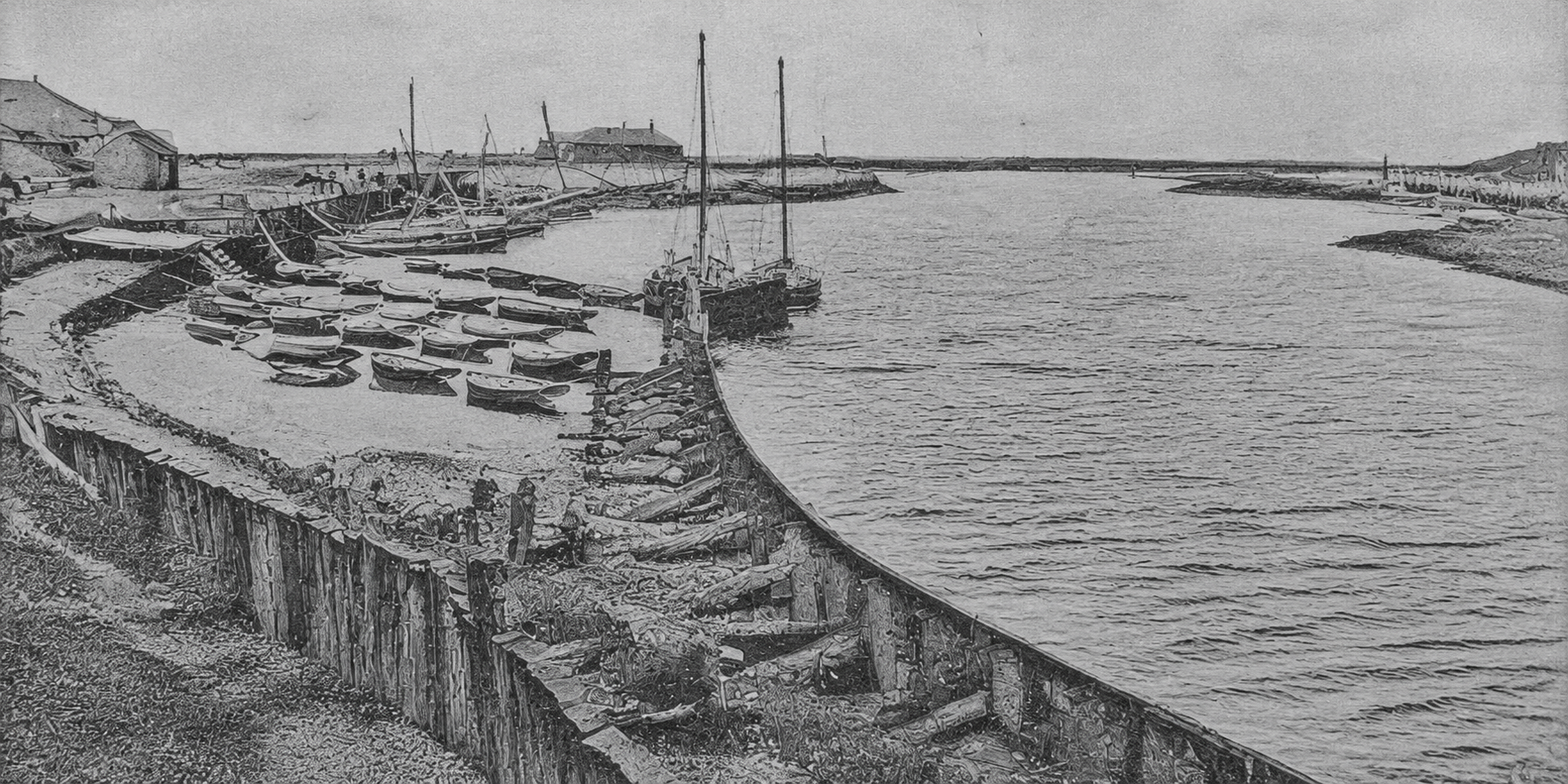
James McMeikan, Girvan Memories (1993), p.15, photograph16. Original photographer unidentified. Edited presentation copy. Original book page.
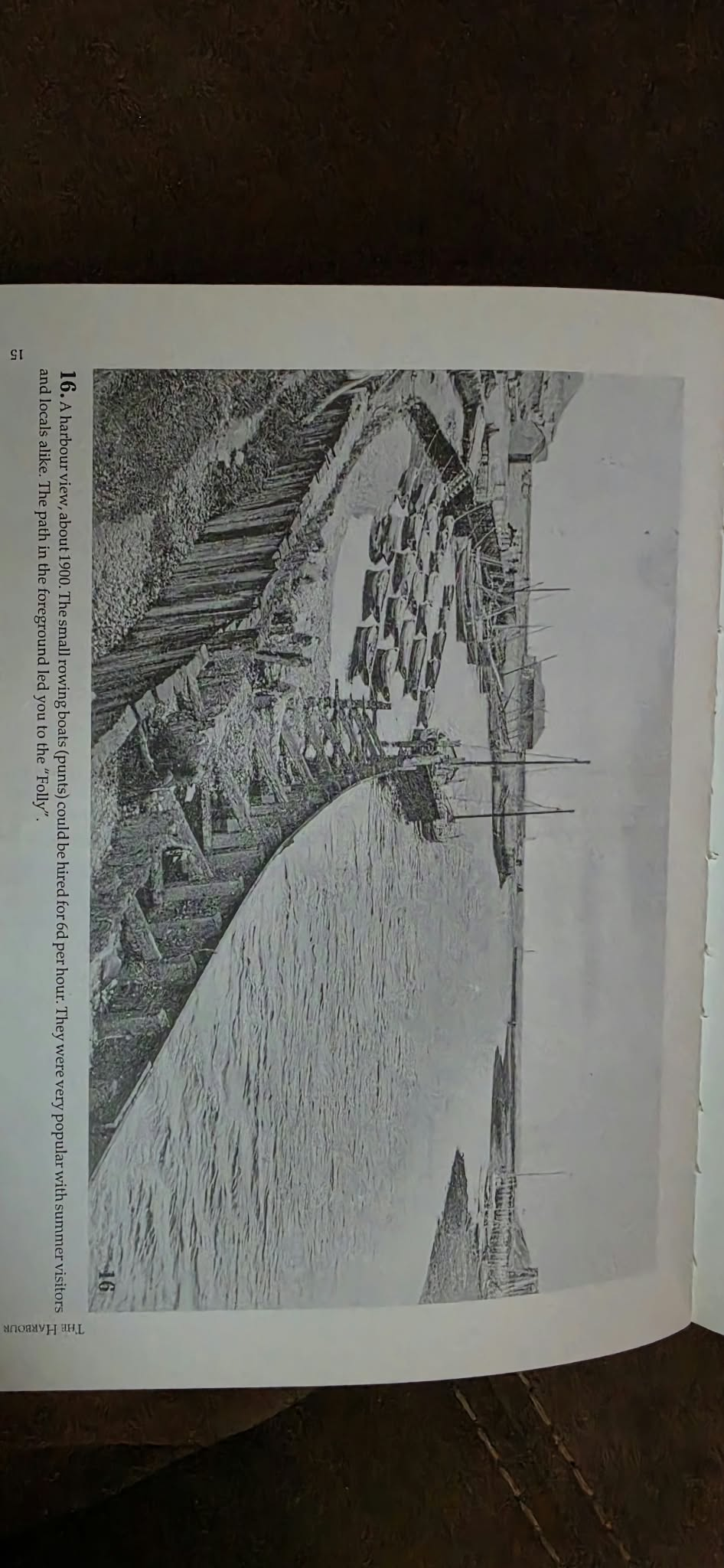
They landed safely after five hours in the punt. They wanted to return to Girvan, but the keepers considered it unwise to let them leave. The head of the lighthouse staff tried signalling towards Ballantrae. Conditions were unsuitable, and the signals went unnoticed.[1]
The youths stayed overnight. In the early morning a pigeon was sent off, carrying news of their safety to Captain A. S. Girvan, the island's boatman, who operated the mainland end of the service. He took the news to their parents' hotel. Their father then chartered a vessel, went out to Ailsa and brought his sons back that afternoon.[1]
By the end of November 1935, most of the apparatus for a wireless link had reached Ailsa and installation was nearing completion. The new equipment would connect the island with Turnberry, replacing the existing arrangements of pigeons by day and beacons after dark.[6]
By late December, the wireless station was in use. Messages passed between Ailsa and Turnberry Lighthouse, with a telephone connection onwards to Girvan. The new arrangement allowed communication in both directions across the water.[7]
Captain Girvan nevertheless received instructions to retain the carrier pigeons for a time in case of emergency. The birds that had carried messages before wireless were to remain available as a reserve.[7]
References
1. The Scotsman, “Youths’ Adventure: On Ailsa Craig After Punt Trip — Pigeon Message Sent”, 27 August 1935, p.5.
2. The Scotsman, “Ailsa Craig Quarrymen’s Ruse”, 18 January 1909, p.9.
3. Northern Lighthouse Board, Ailsa Craig.
4. Ordnance Survey, Ayrshire LV.4, revised 1907–08, published 1909; National Library of Scotland.
5. House of Commons, “Ailsa Craig and the Mainland”, 15 February 1895, vol.30, col.835.
6. The Scotsman, “Wireless-Signalling System for Ailsa Craig”, 30 November 1935, p.18.
7. The Scotsman, “Ailsa Craig Pigeons to be Retained”, 27 December 1935, p.4.
Image credits and enquiries
Images are included to illustrate Girvan and Carrick’s history for educational purposes. Sources and photographers are credited where known. If you hold rights in an image, please contact us so we can review its use, correct the credit or remove it.
Pass the story on