Modern Girvan and civic life
The building Girvan brought back
Key dates
- 1845
Girvan has a Mechanics’ Library.
- 7 May 1886
Thomas McKechnie’s settlement provides for a library and reading rooms.
- 28 December 1888
The Institute opens to the public.
- 1897
A library yearbook records more than 6,000 volumes.
Show all 7 dates Show fewer dates
- 1932–1933
Newspaper reports record gifts to the museum collection.
- 1975
The public library closes at the Institute.
- 8 August 1982
The building reopens as a museum, gallery and community arts centre.
On 8 August 1982, seven years after the public library closed at the McKechnie Institute, the building reopened as a museum, gallery and community arts centre. Girvan Community Council had helped save it from closure and dereliction. Dr Margaret McCance became its honorary curator, a role she would hold until 2000.[1]
It was a new use for the former library rooms, but neither public learning nor museum collections were new to the building.
Before the McKechnie
Girvan had a Mechanics’ Library by 1845. A national return in 1853 estimated its membership at fifty. Slater’s directory of 1860 placed it in Dalrymple Street and named John M’Kenna as librarian. These records give us a small, organised library more than twenty years before Thomas McKechnie made his provision for a larger one.[2]
The older library contributed directly to its successor. At the McKechnie’s opening, the transfer of the Mechanics’ Library books to the new trust was reported in the speeches. Rev. Roderick Lawson also recorded the addition of those books in his account of Girvan published in 1892.[3][4]
Thomas McKechnie’s gift
The McKechnie Library Trust’s accounts identify a disposition and settlement made by Thomas McKechnie on 7 May 1886 as its founding document. Its purpose was a library and reading rooms in Dalrymple Street. Lawson put the bequest at £6,500, with about £3,000 spent on the building.[4][5]
Thomas intended the institution as a memorial to his deceased brother Robert and himself. That was the explanation given at the opening. Although both brothers are associated with the Institute, the contemporary account identifies Thomas as the benefactor.[3]
His provision for education extended beyond the library. He also left £2,000 to support two bursaries at Glasgow University. The university’s calendar described awards tenable for four years in any faculty, with preference first for eligible relatives, then people bearing the McKechnie name, and then qualified applicants born in Girvan. Lawson recorded a further £1,000 left to the town’s poor.[4][6]
Opening the rooms
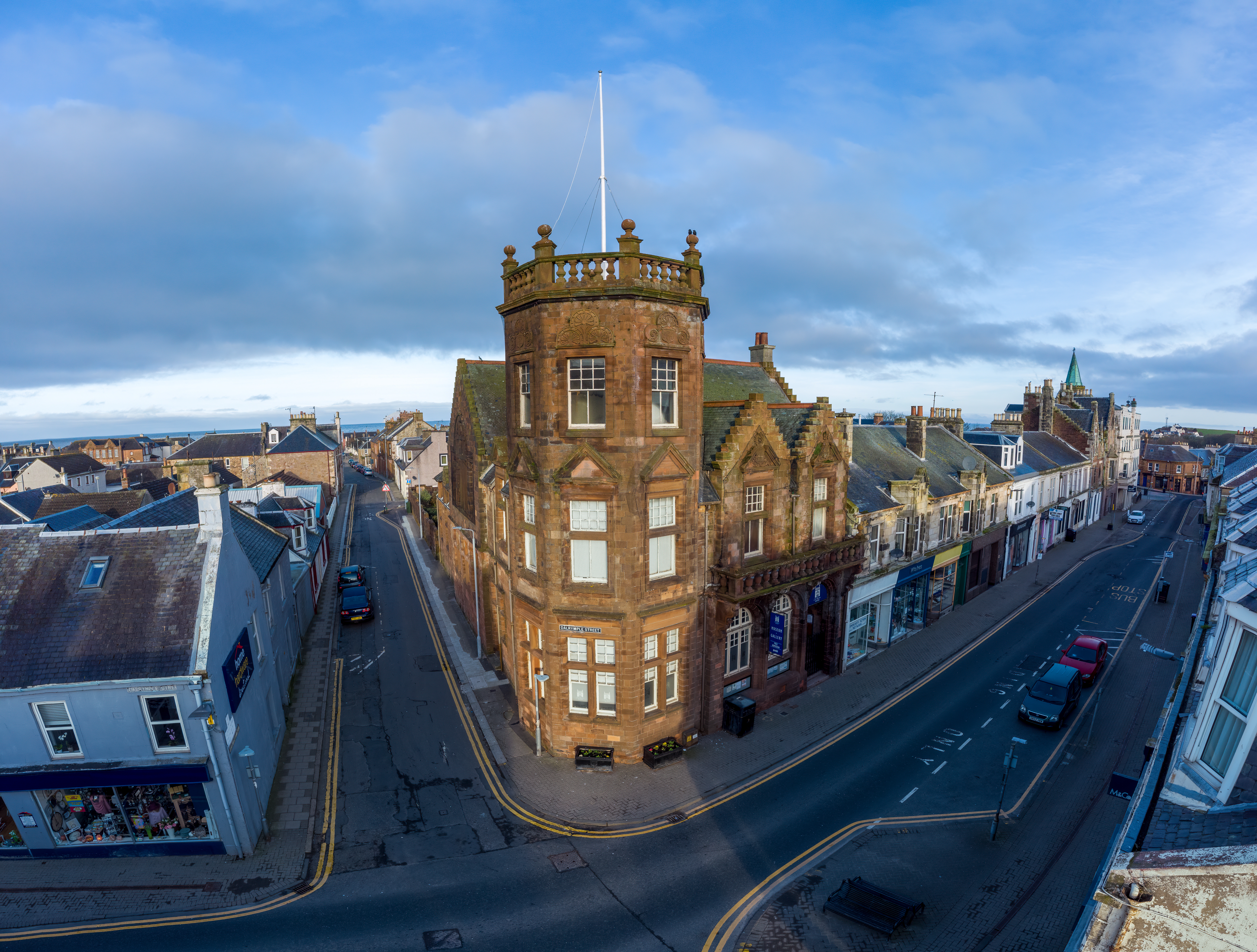
The red-sandstone Institute was built in 1887–88 in the Scottish Baronial style. Its exterior has an octagonal tower, crowstepped gables and a deeply recessed arched entrance. A large Venetian window faces Ailsa Street West. The building is listed at Category B.[16]
The Institute opened to the public on Friday 28 December 1888. The Ayr Observer’s report, published the following Tuesday, described the rooms and named the architects as J. M’Kissack and W. G. Rowan. John Anderson was clerk of works. Thomas Blair carried out the mason work and John Kerr the plastering.[3]
Historic Environment Scotland’s listed-building description names James McKissack as the architect. But James was born in 1875: he was only twelve or thirteen while the Institute was being built in 1887–88. He entered his father’s practice as an apprentice in 1889, after the building had opened.[16][17]
His father was John McKissack, Rowan’s partner. John’s obituary in The Builder in 1915 lists the McKechnie Institute among the buildings for which he prepared the plans.[18]
The ground floor contained the library, reading and committee rooms and a ladies’ room. Upstairs were a billiard room and accommodation for the librarian. There was a smoking room in the tower, and hot-water heating supplied from the basement. The building provided space for reading, meetings and recreation as well as the storage of books.[3]
The cost was still being settled when the doors opened. The report gave £2,858 15s 8d for contracts and additional work, expressly as an interim figure. Lawson later put the building cost at about £3,000.[3][4]
Admission to the library and reading room was free. Taking books home required a subscription: five shillings a year for an individual or seven shillings and sixpence for a family. Half-year tickets cost half those amounts. Reference books could be consulted in the building but were not lent out.[3]
The rules prompted argument. Writing in the Ayr Observer on 4 January 1889 under the name Dr Profundis, one critic questioned rules concerning cleanliness of clothing and person. What would they mean for working people who had no change of clothes, and who would decide whether a reader was clean enough?[7]
A newspaper response later that month defended the trustees and described activity already taking place in the Institute: lectures open to all comers and crowded Saturday entertainments costing a penny. The building was being used while its terms of access were still being debated.[8]
A weaver’s membership ticket
Robert Cadden, a weaver, left a personal account of what access to the library meant to him. His book, Stray Threads from the Loom, has an introduction and acknowledgement dated August 1895. The introduction describes his work at the loom, ill health and the encouragement of friends to publish his poems.[9]
A friend had given him a membership ticket for the McKechnie Library. Cadden thanked him in verse, moving from the books he hoped to read to the pleasure they would bring on winter evenings:
To a Friend on Receiving a Membership Ticket for the M’Kechnie Library
Guid frien', you've made me unco canty,My library was aye gey scanty;But noo, o' books, I will hae plenty,Kind thanks to you.For a while, at least, I'll no be pent ayeTo but a few.
Here novelists in scores, aye, hunners,Geologists disclose their wunners,Astronomers discuss the lunars,Abune us far;Historians tell their country's honoursIn peace and war.
Here Burns lilts an' Campbell wails,Blin' Harry tells historic tales,An' Dibdin ere the guid fleet sailsSome ditty roars;While Hogg among the Ettrick dalesWi' the laverock soars.
Here Byron's wild poetic fire,And Pope's sharp arrows o' satire,Here Tannahill doth tune his lyreIn Scotia's praise;Here Watty Scott oor souls inspiresWi' warlike lays.
Here's Quincey's opium gotten dreamsAnd Dante's awfu' eerie themes;Here's Spenser sweet, wha fairly teemsWi' nature's praise;Here Whittier's muse on slavery gleamsWi' searching rays.
An' mony anither honoured nameWeel kent deservedly to fame—Alive an' deid, abroad, at hame—Names auld and new,That places in oor hearts aye claim'Mang those we lo'e.
Sae mony thanks to you, guid frien',For the pleasure that to me you've gi'en.On mony a weary winter e'enGratefu' o' you I'll think,As pleasure frae the books I glean,Or knowledge drink.
Robert Cadden, in Malcolm J. Finlayson (compiler), An Anthology of Carrick (1925), pp.366–367.[19]
The librarian and the books
Andrew Robertson was named as the Institute’s curator and librarian in Oliver and Boyd’s almanac for 1896. The following year, Thomas Greenwood’s library yearbook recorded more than 6,000 volumes at the McKechnie and noted that printed catalogues were available.[10][11]
Robertson also served as secretary of the Carrick Burns Club. The Annual Burns Chronicle listed the McKechnie Institute as his address. William M’Creath of Burnbank was president, James Aird and Hugh Dickie were vice-presidents, and Thomas Weeple was treasurer.[12]
Collections before the closure
By the early 1930s, the Institute also held natural-history material. In April 1932, The Scotsman reported gifts including a photograph of Charles Berry from Hugh M’Kenna and sixty-three Ailsa Craig eggs from Thomas Ingram. It referred to a Berry natural-history collection already given by James Dunlop.[13]
Another report, in April 1933, recorded mounted guillemots and razorbills given to Girvan Museum by Gib. Graham, and an owl given by Bailie Tom Ingram. These notices establish museum collecting decades before the 1982 reopening.[14]
Bringing the building back
The public library closed at the McKechnie in 1975. South Ayrshire Council’s account of the later rescue credits Girvan Community Council with saving the building from closure and dereliction and establishing a community arts centre and museum on a tight budget.[1]
The museum and gallery reopened on 8 August 1982. Margaret McCance served as honorary curator for eighteen years. After she stepped down in 2000, the Friends of the McKechnie formed to work with the council on the Institute’s continuing activities.[1]
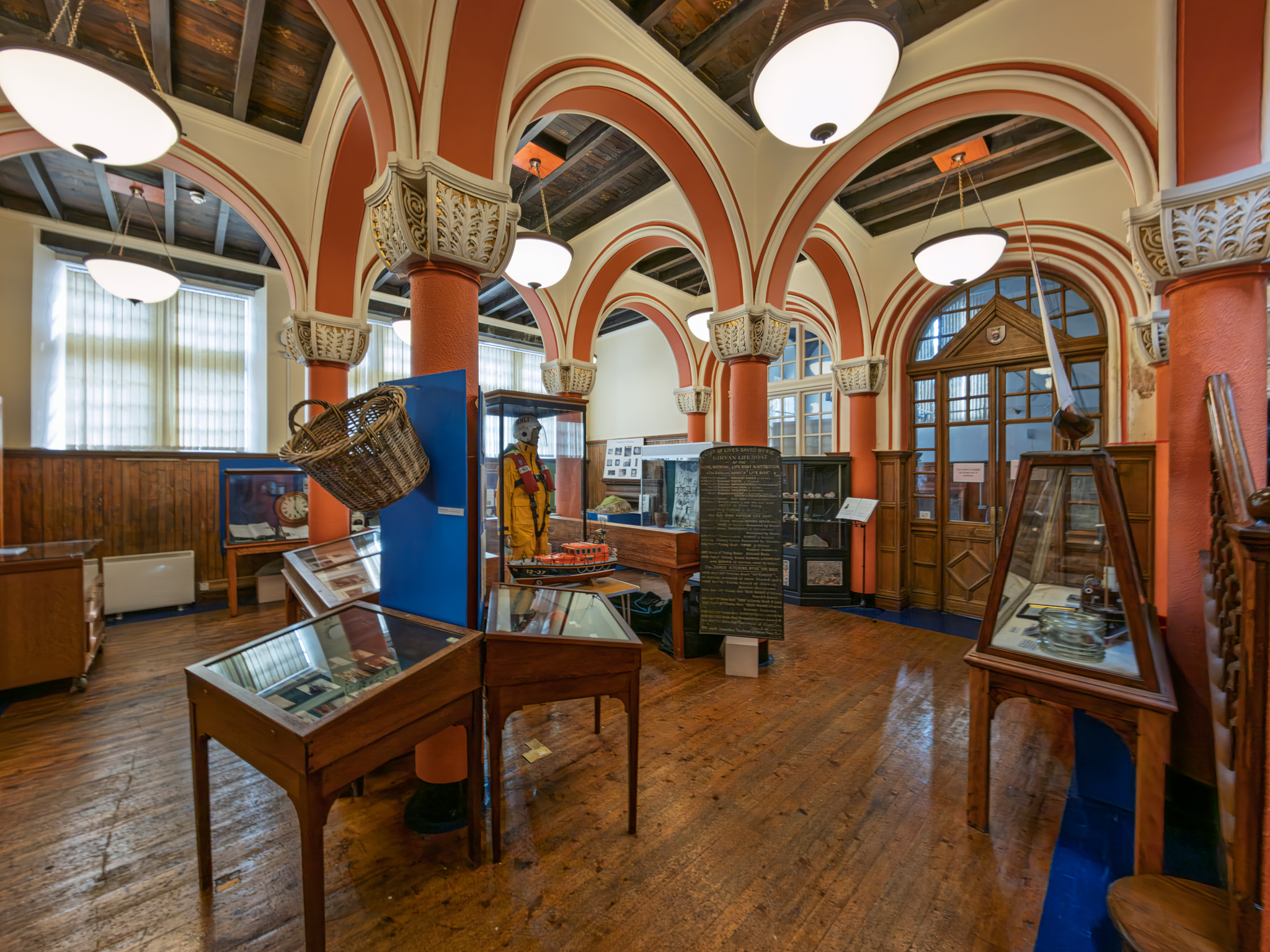
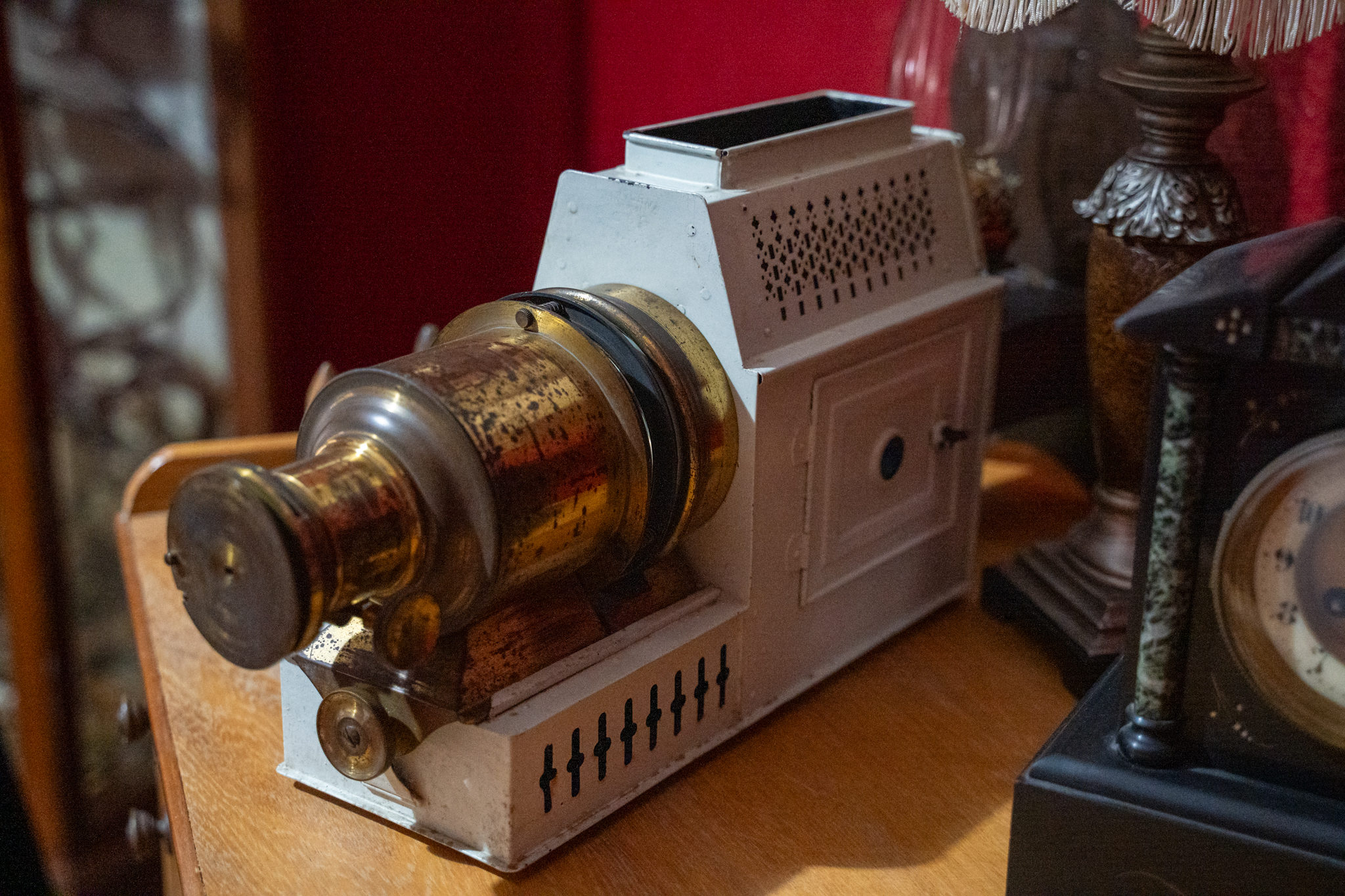
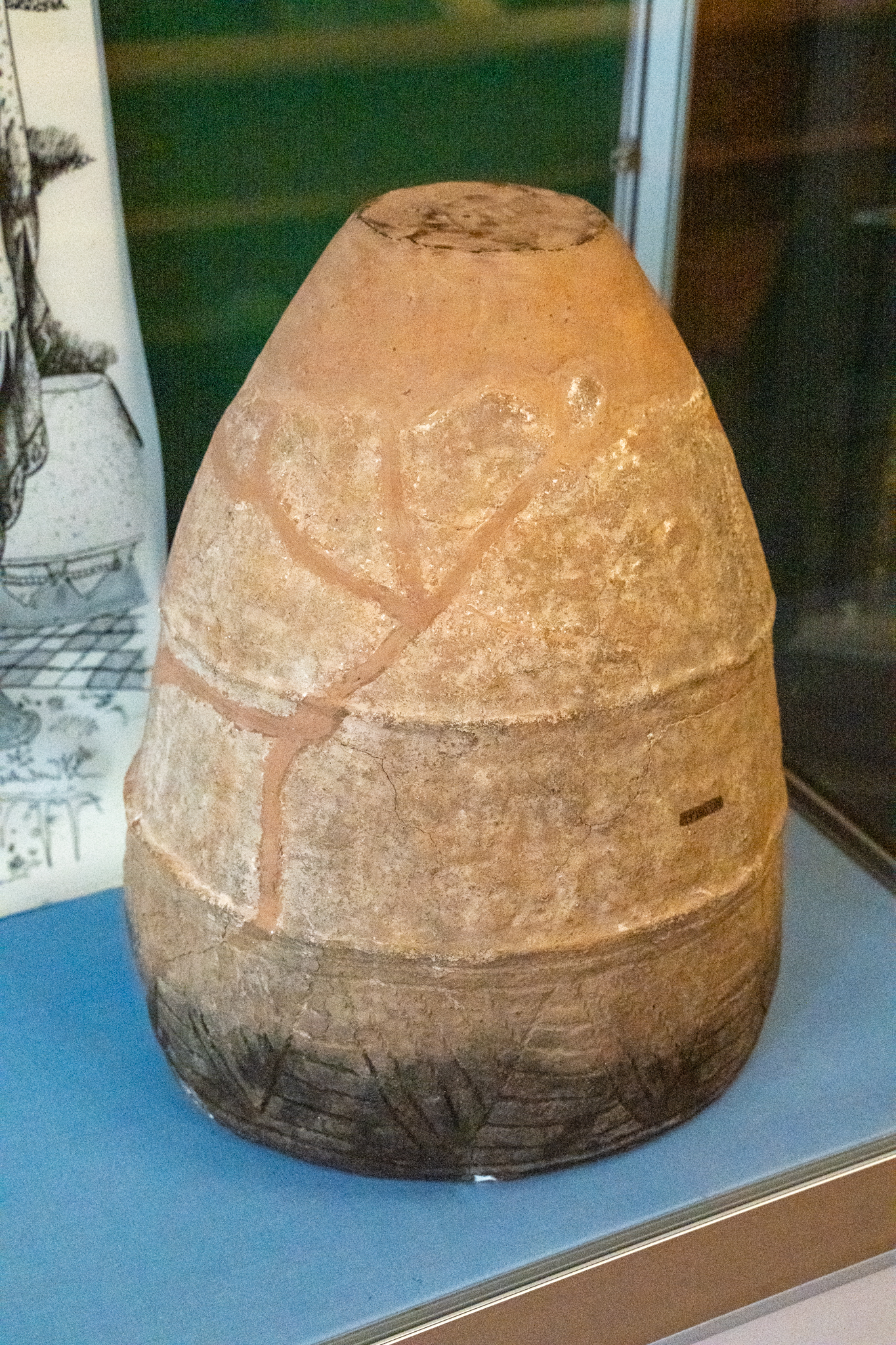
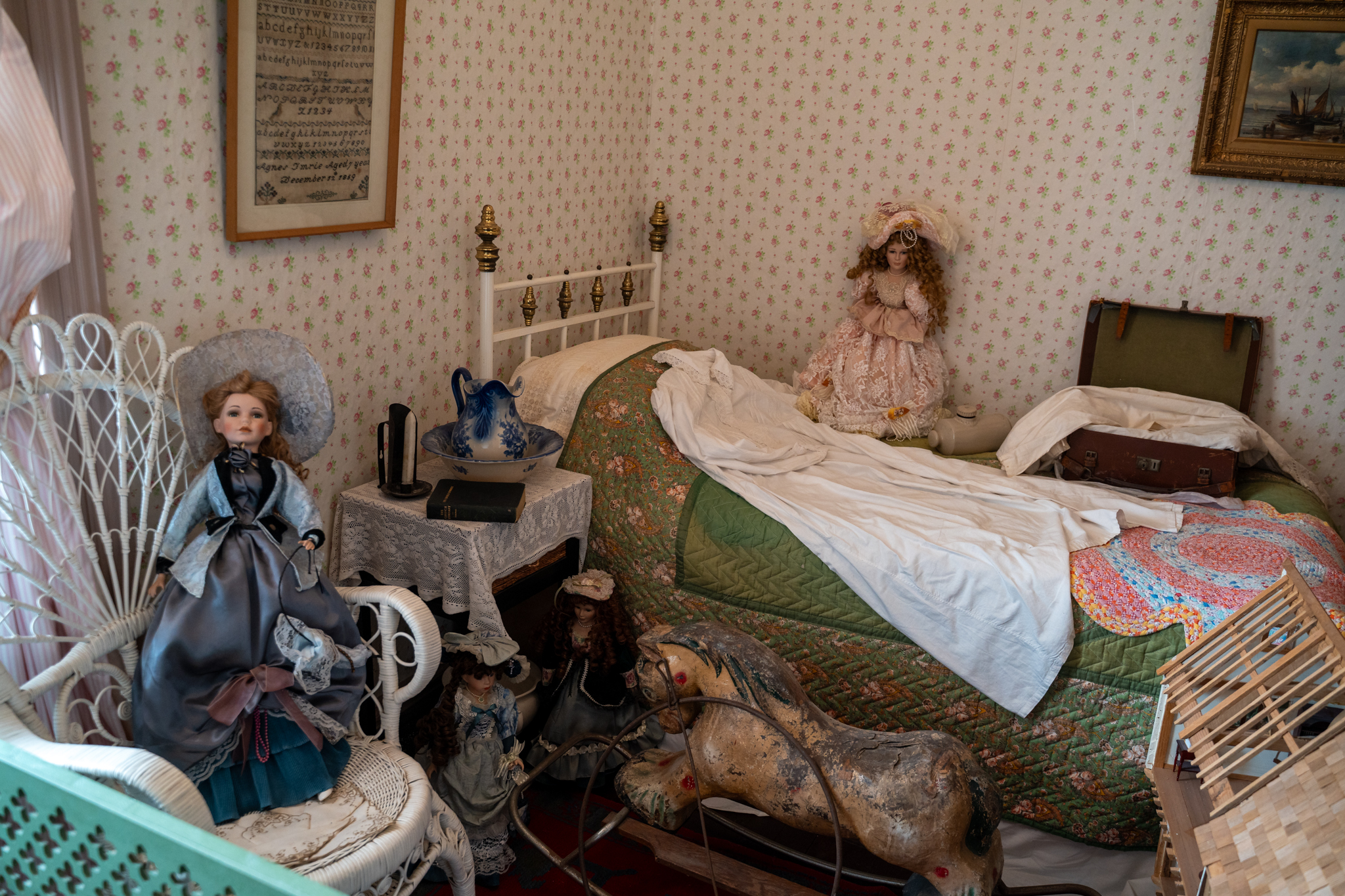
Visitors can now see displays on local geology and fossils, Ailsa Craig and its granite, and Girvan’s maritime history. Model ships, Bronze Age cinerary urns and Victorian domestic displays share the building with changing exhibitions. The furnished lounge and child’s bedroom show a different kind of material from the books for which the rooms were built.[15]
The original trust continued to have a role long after the library closed. Its 2019–20 accounts recorded ownership of the building and a lease to South Ayrshire Council for use as a museum and exhibition centre.[5]
For current opening times, exhibitions and access information, see the McKechnie Institute visitor page.
References
[1] South Ayrshire Council, Celebrations at the McKechnie Institute, fortieth-anniversary account.
[2] New Statistical Account of Scotland, vol. 5 (1845), Girvan, p.619; Parliamentary Papers, vol. 34 (1853), appendix 4, p.232; Slater’s Directory of Scotland (1860), p.363.
[3] Ayr Observer and Galloway Chronicle, 1 January 1889, p.4, Institute opening report.
[4] Roderick Lawson, Places of Interest about Girvan with Some Glimpses of Carrick History (1892), p.21.
[5] McKechnie Library Trust, Annual Report and Financial Statements, 2019–20, pp.1–2.
[6] Glasgow University Calendar (1891), p.206, McKechnie bursaries.
[7] Ayr Observer and Galloway Chronicle, 4 January 1889, p.5, Dr Profundis letter.
[8] Ayrshire Post, 18 January 1889, p.5.
[9] Robert Cadden, Stray Threads from the Loom (front matter dated 1895), introduction and pp.12–13, poem to a friend on receiving a McKechnie Library membership ticket. Photographed copy.
[10] Oliver and Boyd’s New Edinburgh Almanac (1896), p.171.
[11] Thomas Greenwood, Library Year Book (1897), p.242.
[12] Annual Burns Chronicle, Carrick Burns Club entry, p.198.
[13] The Scotsman, 30 April 1932, p.14, gifts to the McKechnie Institute.
[14] Greenock Telegraph and Clyde Shipping Gazette, 18 April 1933, p.1, gifts to Girvan Museum.
[15] South Ayrshire Council, McKechnie Institute, collections and visitor information.
[16] Historic Environment Scotland, McKechnie Institute, LB32129.
[17] Dictionary of Scottish Architects, James McKissack, biography and training record.
[18] The Builder, 3 September 1915, p.174, John M‘Kissack obituary.
[19] Robert Cadden, “To a Friend on Receiving a Membership Ticket for the M’Kechnie Library”, in Malcolm J. Finlayson (compiler), An Anthology of Carrick (Kilmarnock: The Standard Press, 1925), pp.366–367.
Image credits and enquiries
Images are included to illustrate Girvan and Carrick’s history for educational purposes. Sources and photographers are credited where known. If you hold rights in an image, please contact us so we can review its use, correct the credit or remove it.
Pass the story on